Loading...
Serving Coeur d'Alene, ID and surrounding areas. (208) 415-4190
Coeur d'Alene Concrete & Masonry serves Spokane Valley homeowners with driveway pavers, concrete repair, and masonry work. We know the City of Spokane Valley permit process and understand what local winters do to concrete - and we have been serving this region since 2015.
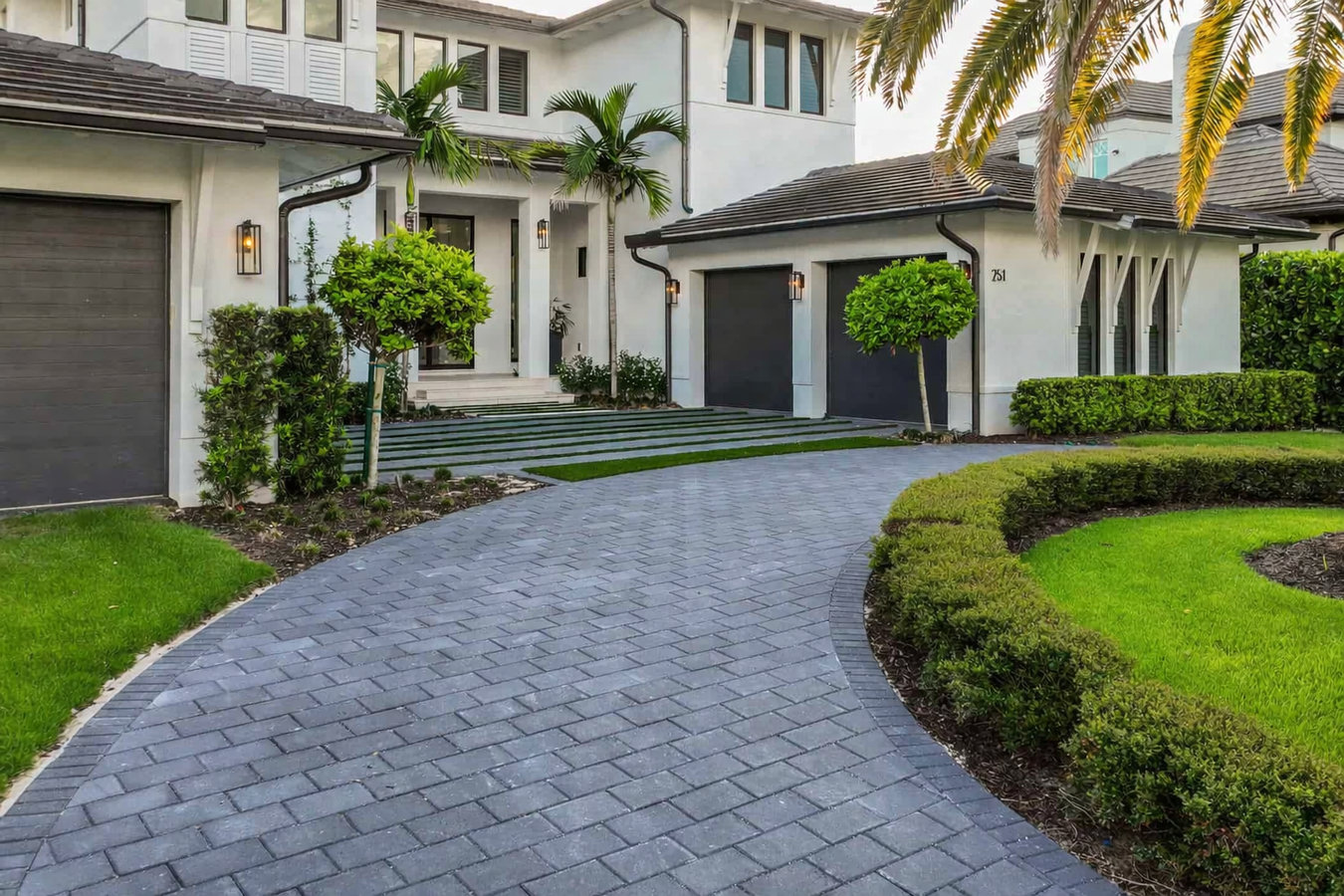
Ranch homes across Spokane Valley have aging concrete driveways that have been through too many freeze-thaw cycles and are past the point where patching helps. Our driveway paver installations give you a surface that handles heavy use and looks better than plain concrete.
Spokane Valley averages around 45 inches of snow per year, and the repeated freeze-thaw cycles crack sidewalks, slabs, and driveways on a predictable schedule. We repair cracked and heaved concrete before it becomes a safety hazard or requires a full replacement.
Low-lying spots near the Spokane River and in older Spokane Valley neighborhoods can hold water after snowmelt and heavy spring rain. Retaining walls help manage grade, direct drainage, and create usable yard space on properties with uneven ground.
Some of Spokane Valley's older homes from the 1950s and 1960s have brick veneer or brick chimneys where the mortar joints are now crumbling. Repointing those joints stops moisture from getting in before the next freeze-thaw cycle turns a small problem into a large repair.
Glacial outwash soils in parts of Spokane Valley drain quickly in most spots but can create drainage problems in low areas, and frost depth reaches 12 to 18 inches here - both factors that stress foundations in older homes. Cracks and settling are worth inspecting before they grow.
Spokane Valley homes on mid-sized flat lots often have original concrete walkways from the 1960s or 1970s that are now cracked, sunken, or trip hazards. We replace or build new walkways in concrete or pavers that stay level through local winters.
Spokane Valley covers about 38 square miles and stretches across a wide, flat valley floor east of Spokane. The city incorporated in 2003 and has its own building department with its own permit process - separate from the City of Spokane - which means a contractor who regularly works here knows which office to call and which codes apply. Most of the housing stock was built between the 1950s and 1990s, and those homes now carry decades of wear from Spokane Valley winters. The area averages around 45 inches of snowfall per year, and temperatures swing above and below freezing many times throughout the winter. Those freeze-thaw cycles are the main driver of concrete and masonry damage here - water expands as it freezes inside cracks and forces them open, season after season.
The flat terrain is a feature of living in the valley, but it also means water has nowhere to go quickly on low-lying lots. In neighborhoods near the Spokane River and in older areas of town, drainage can be slow, and spring snowmelt keeps the ground saturated for weeks. Glacial outwash soils - a mix of sand, gravel, and silt from ancient glacial floods - drain well in many parts of the valley but contribute to heaved concrete and cracked foundations in areas where drainage is slower. Frost depth typically reaches 12 to 18 inches, which puts pressure on footings and underground infrastructure in older homes that were not built to current standards.
Our crew works throughout Spokane Valley regularly, and we understand the local conditions that affect masonry work here. Because Spokane Valley has its own city government and building department - located at City Hall on Sprague Avenue - we pull permits through that office specifically rather than through Spokane County or the City of Spokane. Homeowners in Spokane Valley sometimes get tripped up by contractors who are not familiar with this distinction, which can delay a project or create compliance issues after the work is done.
Spokane Valley is laid out along major east-west corridors like Sprague Avenue and Appleway Boulevard, with neighborhoods spreading north toward the Spokane River and south toward the Greenacres and Sullivan Road areas. The Centennial Trail runs along the river through the northern part of the city, and CenterPlace at Mirabeau Point is a well-known gathering spot for residents. We have worked on ranch homes, mid-century properties, and newer builds across the valley floor.
We also serve adjacent Liberty Lake to the east and work regularly in Spokane to the west. If you have a neighbor in either of those areas who needs masonry work, we cover the whole corridor.
Call or submit the contact form with a description of what you need. We respond to every Spokane Valley inquiry within one business day - usually the same day for calls made before noon.
We come to your property in Spokane Valley, assess the full scope of the work, and give you a written estimate covering materials, labor, and any permit costs required by the City of Spokane Valley. You see the complete number before committing to anything.
We schedule masonry and concrete work around weather conditions since neither should be done in freezing temperatures. Our crew works through to completion without stopping mid-job - you do not need to take time off to be home.
When the job is done, we clean up and walk you through the finished work. If anything does not look right, we address it before we leave. Spokane Valley is a large city and we rely on word of mouth - we do not move on until you are satisfied.
We know the Spokane Valley permit process and we know what local winters do to concrete. Call us and we will give you a straight answer and a written estimate.
(208) 415-4190Spokane Valley is one of the larger cities in Washington State, with a population of around 102,000 people spread across 38 square miles east of Spokane. It incorporated as its own city in 2003, and since then it has built its own city government, parks system, and building permit office separate from Spokane County and the City of Spokane. The housing stock is dominated by single-story ranch homes built between the 1950s and 1990s, most on mid-sized lots with attached garages, concrete driveways, and fenced backyards. About 60 percent of homes are owner-occupied, which reflects the working-class and middle-income families who make up most of the community.
The Spokane Valley Mall on Sullivan Road is the main commercial landmark most residents recognize, and the Centennial Trail along the Spokane River provides the city's most visible green space. Neighborhoods in the southern and eastern parts of the city - including Greenacres - have seen more new construction since the 2000s and contrast with the older ranch-home neighborhoods closer to Sprague Avenue. We serve Spokane Valley alongside adjacent Liberty Lake and Cheney to the southwest, covering the full eastern Washington corridor.
Stabilize and restore your home's foundation for lasting structural integrity.
Learn MoreBuild strong retaining walls that manage erosion and grade changes.
Learn MoreRestore historic and aging masonry to its original strength and beauty.
Learn MoreInstall custom brick or stone fireplaces as a lasting home centerpiece.
Learn MoreConstruct solid concrete block walls for security and long-term durability.
Learn MoreInstall block foundation walls engineered for strength and moisture resistance.
Learn MoreBuild custom outdoor kitchen structures designed to stand up outdoors.
Learn MoreCreate beautiful walkways in brick, stone, or pavers for your property.
Learn MoreInstall hand-laid brick walls that add character and value to any space.
Learn MoreRepoint deteriorating brick joints to prevent water infiltration and damage.
Learn MoreSpring is the best time to repair freeze-thaw damage before summer heat sets in. Contact us now and we will get you on the schedule.